How to Evaluate a Screen Protector Supplier: Wholesale Buyer’s Checklist | Apei
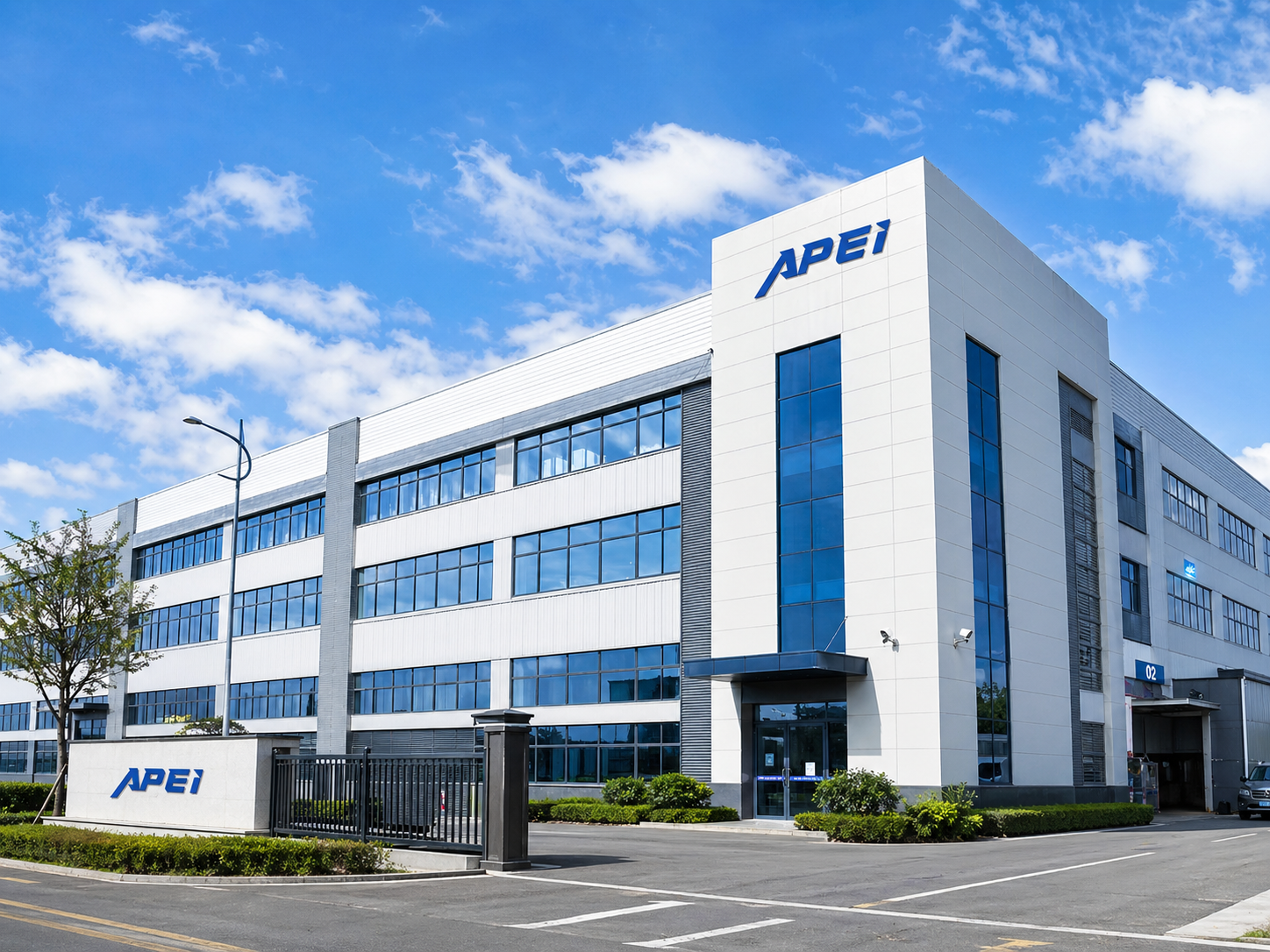
Choosing a screen protector supplier is not just about finding the lowest unit price. For wholesale buyers, distributors, mobile accessory retailers, and e-commerce sellers, the supplier you choose directly affects your profit margin, customer reviews, repeat sales, and brand reputation. A cheap screen protector may look attractive on a quotation sheet. But if the glass cracks easily, the adhesive performs poorly, the fitting is inaccurate, the packaging looks weak, or customers struggle with installation, the real cost becomes much higher.Before placing a bulk order, you need to evaluate the supplier properly.
This guide gives you a practical wholesale buyer’s checklist for evaluating a screen protector supplier before you commit to stock.
Why Supplier Evaluation Matters in the Screen Protector Business
Screen protectors are a high-volume product category. That is good for retailers and distributors because the product has repeat demand, strong resale potential, and relatively easy storage. But it also means the market is full of suppliers offering similar-looking products. On the surface, many tempered glass screen protectors look the same. The difference usually appears after purchase:
- Poor edge finishing
- Weak adhesive
- Dust or bubbles during installation
- Inaccurate camera or speaker cut-outs
- Low-quality oleophobic coating
- Poor retail packaging
- Inconsistent product batches
- Slow communication after payment
- No sample support
- No clear replacement or defect policy
For a wholesale buyer, these problems create more than product complaints. They create refund requests, bad customer reviews, lost retailer confidence, and slow-moving stock. That is why supplier evaluation should happen before the first bulk order, not after problems appear.
1. Check Whether the Supplier Understands Wholesale Buyers
A good screen protector supplier should understand that wholesale buyers are not buying for personal use. You are buying to resell. That means your needs are different from a normal customer.
You need:
- Consistent stock availability
- Stable product quality
- Reasonable MOQ
- Reliable packaging
- Fast communication
- Clear product specifications
- Repeat order support
- Sample availability
- Shipping options
- Commercial pricing
A supplier who only talks about “good quality” and “best price” is not giving you enough information. A serious wholesale supplier should be able to answer practical business questions, such as:
- What models are available?
- What is the MOQ per model?
- Can I order mixed models?
- Is private label or custom packaging available?
- How long does production take?
- What is the sample process?
- What happens if there are defects?
- Can you support regular repeat orders?
- Do you provide product images or catalogue support?
If the supplier cannot answer these clearly, they may not be the right long-term partner.
2. Ask for Samples Before Placing a Bulk Order
Never judge a screen protector supplier only from photos, videos, or a price list.
Before placing a wholesale order, request samples.
A sample order helps you check the actual product experience:
- Glass clarity
- Edge smoothness
- Touch sensitivity
- Adhesive performance
- Installation process
- Packaging quality
- Model accuracy
- Fit on the phone
- Cleaning kit quality
- Overall presentation
This is especially important if you are selling online. Your customer will not compare only the glass. They will judge the full experience — packaging, instructions, installation, fit, and final screen feel.
A professional supplier should be comfortable providing samples because they understand that wholesale buyers need proof before committing.
What to test in a sample
When you receive the sample, do not only look at the product. Install it.
Check:
- Does it align properly with the phone?
- Are the edges clean and smooth?
- Does it create bubbles?
- Is the adhesive strong and even?
- Does the screen remain responsive?
- Does the glass feel smooth after installation?
- Does it attract fingerprints quickly?
- Does the product feel ready for resale?
If the sample does not feel good, the bulk order will not magically become better.
3. Evaluate Product Fitment Accuracy
Fitment is one of the most important quality factors in screen protectors.
A screen protector can have good glass, but if the shape is wrong, the customer will still reject it.
Check whether the screen protector:
- Aligns correctly with the screen
- Leaves proper edge spacing
- Matches camera and speaker cut-outs
- Works with common phone cases
- Covers the right screen area
- Does not lift at the edges
- Does not block sensors or front camera areas
This is especially important for newer phone models where small design differences can affect compatibility.
For wholesale buyers, poor fitment creates high return risk. A customer may not know the technical reason, but they will know the product “doesn’t fit properly.”
That is enough to damage reviews and repeat sales.
4. Check the Installation Experience
This is where many suppliers fail.
A screen protector may look good in packaging, but the real customer experience happens during installation.
For retailers and e-commerce sellers, easy installation is a major advantage because it reduces:
- Customer frustration
- Bubble complaints
- Bad reviews
- Return requests
- Support messages
- Product wastage
If your customers struggle to install the screen protector, they may blame your brand, not the factory.
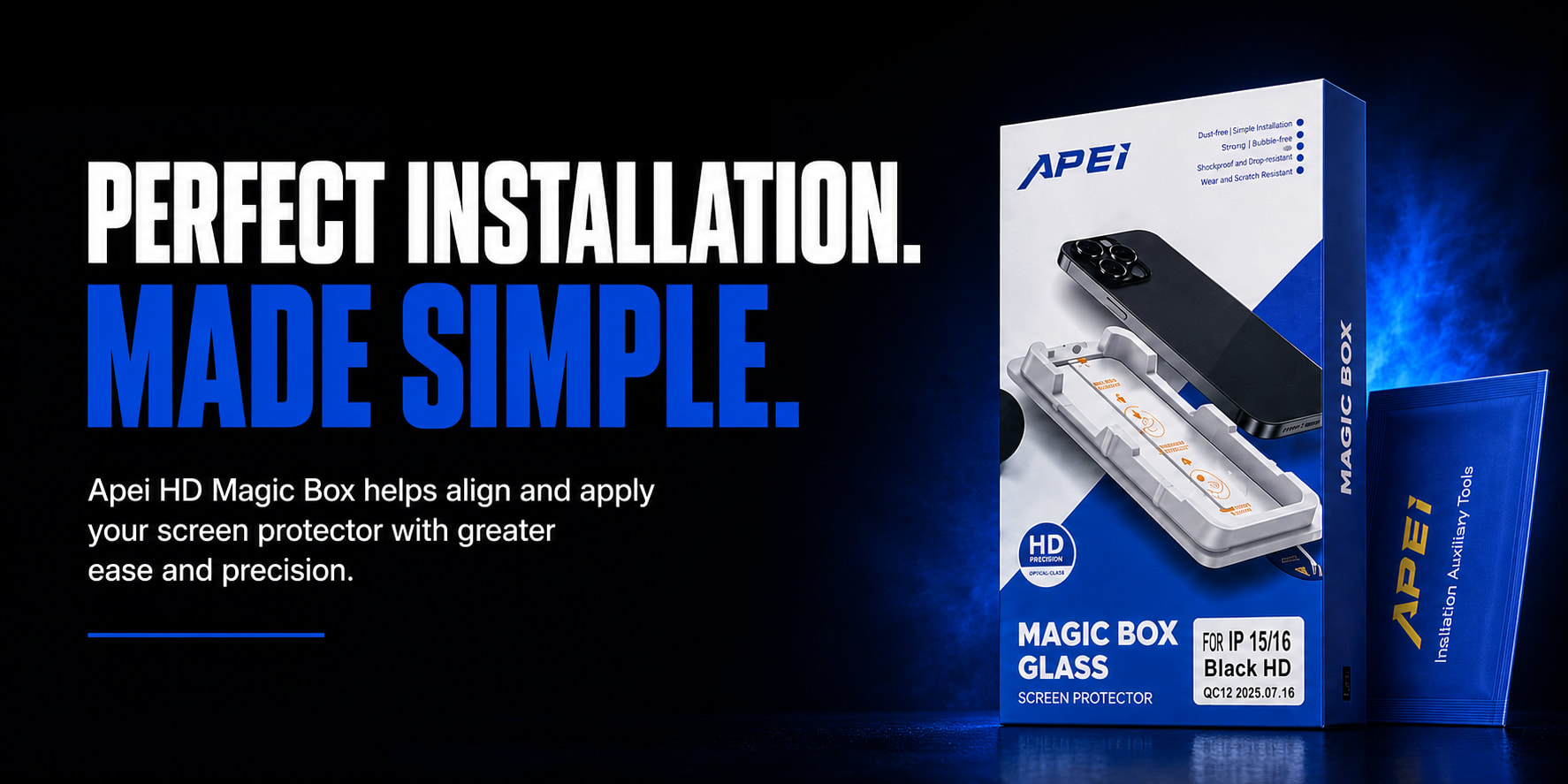
This is why you should evaluate whether the supplier offers:
- Clear installation instructions
- Cleaning wipes
- Dust removal stickers
- Alignment tools
- Installation trays or guide boxes
- Bubble-reducing adhesive
- Beginner-friendly application process
For online sellers especially, easy installation can become a strong selling point.
Apei’s HD Magic Box style installation system is a good example of the kind of product experience that matters for modern resellers. It helps end customers apply the screen protector more easily and reduces the risk of poor installation.
When evaluating a supplier, do not only ask, “Is the glass strong?”
Also ask:
“Can my customer install this easily without creating bubbles?”
That question matters a lot for resale success.
5. Review the Glass Quality and Edge Finishing
Tempered glass screen protectors are often marketed with similar terms: 9H hardness, anti-scratch, HD clarity, oleophobic coating, anti-fingerprint, and full coverage.
But the real quality depends on the actual production and finishing.
When checking a supplier’s glass quality, look at:
- Surface clarity
- Thickness consistency
- Edge smoothness
- Scratch resistance
- Coating quality
- Touch sensitivity
- Transparency
- Break pattern
- Adhesive uniformity
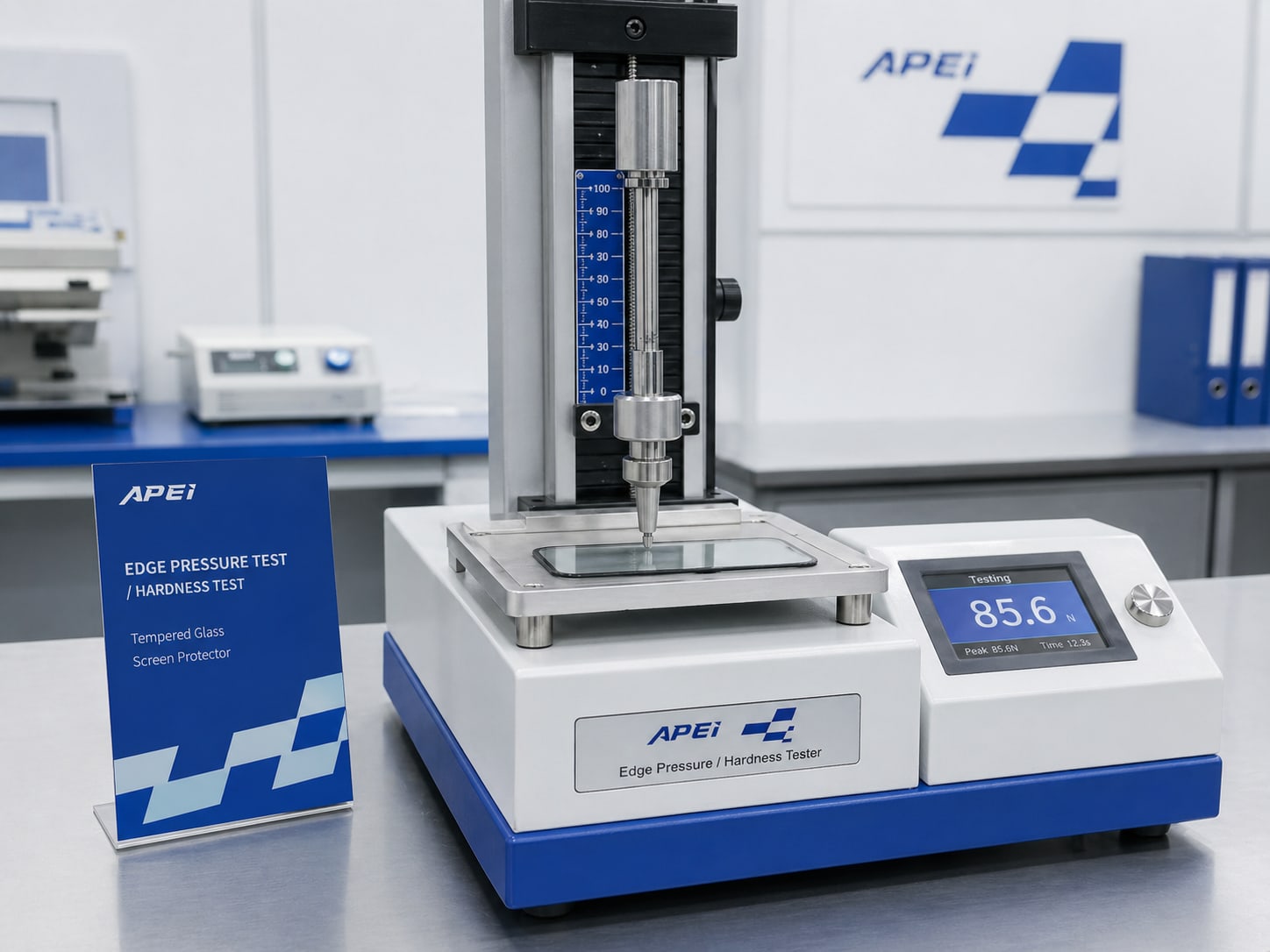
Edge finishing is especially important. Rough or poorly finished edges can make the product feel cheap and may increase the chance of chipping.
A premium screen protector should feel clean, smooth, and consistent when handled.
If you are selling under your own brand or supplying retailers, edge finishing and glass feel are not small details. They affect how customers judge the product.
6. Understand the Supplier’s MOQ
MOQ stands for minimum order quantity.
This is one of the first things wholesale buyers should clarify.
Different suppliers may have different MOQ rules depending on:
- Product model
- Packaging type
- Custom branding
- Stock availability
- Phone model mix
- Standard vs private label order
- Trial order vs repeat order
A good supplier should be transparent about MOQ from the beginning.
For new buyers, low MOQ can be helpful because it allows you to test the market before committing to a large order.
This is especially important for:
- E-commerce sellers
- New distributors
- Small mobile accessory shops
- Retailers testing a new product range
- Businesses entering a new market
But MOQ should not be viewed alone. A very low MOQ with poor quality is still a bad deal.
The better question is:
“Can this supplier give me a practical MOQ with consistent product quality and reliable repeat supply?”
That is what matters.
Get Wholesale Pricing from Apei
7. Compare Factory-Direct Suppliers vs Middlemen
When sourcing screen protectors wholesale, you will usually find two types of suppliers:
- Factory-direct suppliers
- Trading companies or middlemen
Both can work, but they are not the same.
A factory-direct supplier usually gives you better control over:
- Product specifications
- Pricing
- Packaging
- Quality consistency
- Production timelines
- Customisation
- Repeat order communication
A middleman may be easier to communicate with in some cases, but they may not control production directly. This can create issues when you need custom packaging, quality adjustments, urgent restocking, or clear defect handling.
For wholesale buyers, factory-direct sourcing is often better when you want long-term supply, better margins, and more control.
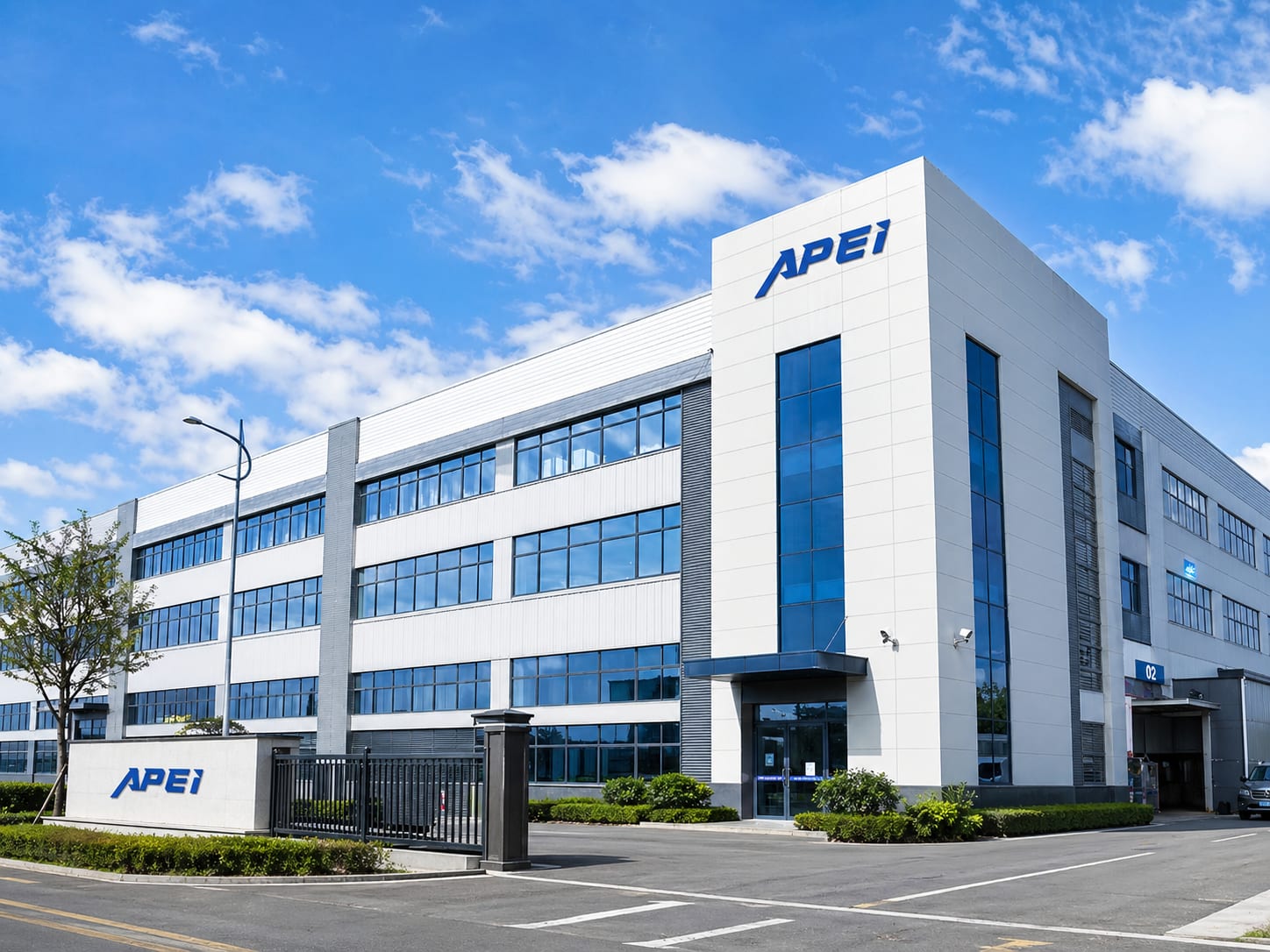
Before choosing a supplier, ask:
- Are you the manufacturer or a trading company?
- Where is the product made?
- Can I see your product catalogue?
- Can you support repeat orders?
- Can you adjust packaging or product specs?
- How do you manage quality control?
The goal is not just to buy once. The goal is to build a supplier relationship that can support your business as it grows.
8. Inspect Packaging Quality
Packaging matters more than many wholesale buyers realise.
For retail stores, packaging affects shelf appeal.
For online sellers, packaging affects customer perception, delivery safety, and reviews.
Poor packaging can make even a good product feel cheap.
When evaluating a screen protector supplier, check:
- Retail box quality
- Print quality
- Branding space
- Barcode or label options
- Inner protection
- Cleaning kit presentation
- Installation instruction clarity
- Shipping carton strength
- Product model labelling
- Packaging consistency across models
For e-commerce sellers, packaging should also be practical for storage and shipping. It should protect the screen protector during delivery without adding unnecessary bulk or cost.
If you plan to sell on platforms like Shopify, Amazon, eBay, or your own website, packaging becomes part of the customer experience.
9. Ask About Product Range and Model Coverage
A good supplier should not only offer one or two popular phone models.
Wholesale buyers usually need a product range that can support different customer demands.
Check whether the supplier can provide screen protectors for:
- iPhone models
- Samsung models
- Google Pixel models
- Popular Android models
- Privacy glass
- Anti-blue light glass
- Full-cover tempered glass
- Camera lens protectors
- Installation kit products
- Retail-ready packaging
A wider product range helps you build a better resale catalogue.
For distributors and retailers, this matters because customers often want multiple models. If your supplier cannot support enough product variety, you may need to source from several suppliers, which increases complexity.
A strong supplier should help you build a product range, not just sell one item.
10. Check Communication Speed and Professionalism
Supplier communication is a major part of wholesale success.
Before you place an order, notice how the supplier communicates.
Ask yourself:
- Do they reply clearly?
- Do they answer the actual question?
- Do they provide specifications?
- Do they explain MOQ and pricing properly?
- Do they send organised product information?
- Do they follow up professionally?
- Do they understand your business model?
Slow or unclear communication before payment is a warning sign.
After payment, communication usually does not become better.
For wholesale buyers, supplier communication affects everything — sample orders, production updates, shipping timelines, repeat orders, and problem resolution.
A professional supplier should make the buying process easier, not more confusing.
11. Confirm Shipping and Lead Time Before Ordering
Shipping can make or break your wholesale order.
Before placing a bulk order, confirm:
- Production lead time
- Packing time
- Shipping method
- Estimated delivery time
- Export documentation
- Carton dimensions
- Gross weight
- Freight cost
- Tracking availability
- Delivery terms
For distributors and retailers, late delivery can create stock gaps. For e-commerce sellers, delayed restocking can hurt advertising campaigns and customer trust.
Do not only ask, “How much is the product?”
Ask:
“How fast can I receive it, and how reliably can you supply repeat orders?”
If your business depends on regular sales, supply consistency is more important than saving a few cents per unit.
12. Review Defect Policy and After-Sales Support
Even with a good supplier, defects can happen.
What matters is how the supplier handles them.
Before ordering, ask:
- What happens if products arrive damaged?
- How are defects reported?
- Do you require photos or videos?
- Is there a replacement policy?
- Are defects credited in the next order?
- What defect rate is considered acceptable?
- Who handles shipping damage issues?
A supplier who avoids this conversation may become difficult when problems happen.
A professional supplier should have a clear process for handling defective items, shipping damage, or model mismatches.
This is especially important for larger buyers who plan to order regularly.
13. Compare Price Against Total Value, Not Just Unit Cost
Many buyers make the mistake of choosing the cheapest supplier.
But in wholesale screen protectors, the lowest price is not always the best price.
A cheaper supplier may cost more if you face:
- Higher return rates
- More customer complaints
- Poor reviews
- Weak packaging
- Inconsistent batches
- Slow delivery
- Unclear communication
- Poor installation experience
- Low repeat purchase rate
A good supplier should help you protect your margin and your reputation.
When comparing suppliers, evaluate the full value:
- Product quality
- Packaging quality
- Installation experience
- Supplier reliability
- MOQ flexibility
- Shipping speed
- Communication
- Product range
- Repeat order support
- Sample availability
The best supplier is not always the cheapest one. The best supplier is the one that helps you sell confidently and reorder consistently.
Wholesale Buyer Checklist: Questions to Ask Before Ordering
Before choosing a screen protector supplier, ask these questions:
Product Quality
- What type of tempered glass do you supply?
- What thickness options are available?
- Does the product have oleophobic coating?
- How is touch sensitivity tested?
- How is fitment checked?
- Are the edges polished or finished?
Samples
- Can I order samples before bulk purchase?
- Are samples available in retail packaging?
- How long does sample shipping take?
- Can I test multiple models?
MOQ and Pricing
- What is the MOQ per model?
- Can I mix models in one order?
- Is low MOQ available for first-time buyers?
- Do you offer wholesale pricing tiers?
- What is the MOQ for custom packaging?
Packaging
- What packaging options are available?
- Can you support private label packaging?
- Is the packaging suitable for e-commerce shipping?
- Are installation instructions included?
Shipping
- What shipping methods are available?
- How long does production take?
- How long does delivery usually take?
- Can you ship worldwide?
- Do you provide tracking and export documents?
After-Sales Support
- What happens if products arrive damaged?
- How do you handle defects?
- Do you provide replacements or credit?
- Who do I contact for repeat orders?
Red Flags to Watch For
Be careful if a supplier:
- Refuses to provide samples
- Gives unclear MOQ information
- Cannot explain product specifications
- Avoids quality control questions
- Has inconsistent communication
- Only competes on low price
- Cannot confirm packaging details
- Has no clear shipping process
- Does not understand wholesale buyers
- Cannot support repeat orders
One or two small issues may not be a dealbreaker. But if several red flags appear early, it is better to test another supplier before placing a large order.
What a Good Screen Protector Supplier Should Offer
A reliable wholesale screen protector supplier should offer more than a product list.
They should support your business with:
- Clear product specifications
- Sample availability
- Practical MOQ options
- Consistent product quality
- Good packaging
- Reliable shipping
- Responsive communication
- Repeat order support
- Product range guidance
- Clear wholesale pricing
For distributors, retailers, and e-commerce sellers, the right supplier becomes a long-term growth partner.
The wrong supplier becomes a cost.
Final Thoughts
Choosing a screen protector supplier is not just a sourcing decision. It is a business decision.
The supplier you choose will affect your product quality, customer experience, margins, reviews, and repeat sales.
Before placing a wholesale order, take time to evaluate the supplier properly. Request samples, test the installation experience, check packaging, confirm MOQ, review communication, and understand the shipping process.
A reliable supplier should make the process clear from the beginning.
At Apei, we support wholesale buyers, retailers, e-commerce sellers, and distributors with screen protector solutions designed for resale, easy installation, and practical wholesale supply.
Looking for a reliable screen protector supplier?
Request a sample or contact Apei for wholesale pricing, low MOQ options, and fast worldwide shipping.
Build your screen protector product range with a supplier designed for serious resellers and distributors.